10 Tea Accessories Every Beginner Actually Needs
The first tea purchase is easy. The second one is where the counter starts to fill up: a strainer, a scoop, a pot, a tin, a whisk for a tea you don't even drink. Most of that pile arrived because some list called it essential. It isn't. What follows is the short version — the tools that do real work every day, and the ones you can cheerfully leave in the shop until your own habits ask for them.
An Infuser That Fits Your Mug
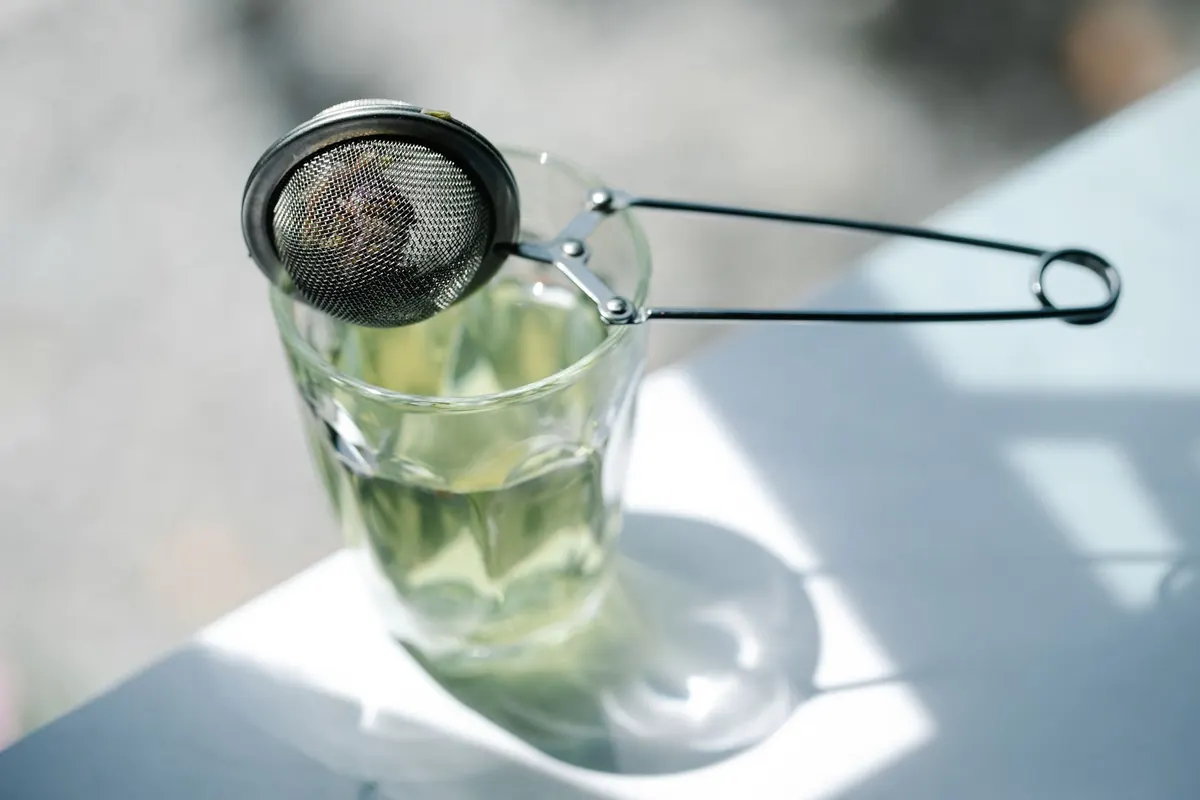
A basket infuser is the best place to start. Look for fine mesh, a basket wide enough to sit in your mug, and a lid that doubles as a drip tray. Loose leaf needs room to unfurl, and a wide basket gives it that room while the fine mesh keeps the small pieces out of your teeth.
Skip the classic two-piece ball infuser for everyday brewing. It pinches the leaves into a tight clump so they steep unevenly, the coarse holes let dust through, and it's fiddly to open when wet.
If you'd rather not buy anything yet, brew in a heatproof jug or a small teapot and pour through a kitchen strainer. Plenty of people drink good tea that way. A second infuser is worth owning so you can brew one tea while the first drains — and so a friend can have a cup at the same time.
Rinse the mesh right after each use. Dried leaves weld themselves into the weave, and the next cup tastes like the last one.
A Kettle You Can Control
Most tea tastes better when it isn't scalded. Green and white teas generally do well between roughly 160°F and 180°F, oolongs somewhere in the middle, and black teas and pu'er close to boiling. A kettle that only knows one temperature makes that range hard to reach.
If you're buying new
A variable-temperature electric kettle is the most useful upgrade in the whole kitchen, and it doesn't need to be smart or expensive. A hold-warm setting is a nice convenience. An app is not necessary.
If you already own a stovetop kettle
You don't need to replace it. Boil, then let the kettle sit and check the water with an inexpensive thermometer a few times. You'll quickly learn your kettle's rhythm — how long it takes to fall to the temperature you want when it's full versus half-full. After a week, you'll pour by feel.
A gooseneck spout genuinely helps if you brew into a small gaiwan or a tiny pot, because it pours a thin, controlled stream. For a mug, a normal spout is fine.
A Scale and a Timer
Tea is measured by weight, not volume, because leaves aren't consistent. A tablespoon of fluffy white tea can weigh a third of what a tablespoon of rolled oolong weighs. Scoop by spoon and your cup swings between thin and harsh without you ever knowing why.
A small digital scale that reads to 0.1 g fixes this for the price of a couple of coffees. A sensible starting point is about 1 gram of leaf per 100 ml of water, so roughly 3 grams in a 300 ml mug. Adjust from there: too thin, add leaf; too bitter, use less or shorten the steep.
The timer matters just as much, and your phone already has one. Most teas land somewhere between one and four minutes. Steeping by feel works once you've made the same tea fifty times; until then, set the timer and write things down.
Keep notes where you'll actually look — a note on your phone, a line in a notebook. "3 g, 85°C, 2 minutes" will help you far more in a month than any memory will.
A Cup Worth Drinking From
This is the accessory people skip and then miss. A thin-walled porcelain cup cools quickly, so you can taste the tea instead of waiting on it. A thick stoneware mug holds heat longer but softens the aroma. Neither is wrong; they suit different teas and different moods.
If you drink several cups in one sitting, a small cup of 100 to 150 ml lets you drink through a series of steeps, each slightly different, instead of one big mug going cold. That's the whole logic behind gongfu brewing, and you can borrow it without buying a set.
One habit worth forming: pour a splash of a new tea into the cup before committing to a full pour. Too strong and you can add hot water. Too weak and you'll know to give the next steep more time.
Storing Tea Without a Cabinet of Gadgets
Tea goes stale from air, light, heat and smell, and it picks up whatever sits nearby. A tin stored beside the spices will taste like the spices.
One airtight tin per tea you drink regularly is enough. Opaque is better. A cupboard away from the stove and the window is better still. Tuck the original wrapper inside if it has brewing notes printed on it, and buy smaller amounts more often rather than a big bag you'll still be working through next spring.
You don't need a vacuum sealer, humidity packs or a dedicated shelf in the fridge. If you eventually get serious about aged pu'er, the storage rules change and you can learn them then.
What You Can Skip for Now
None of these are bad purchases. They're just premature, and they tend to sit unused while better basics go missing.
- A full gongfu set with tray, pitcher and tongs — start with a mug and a basket, then follow your curiosity.
- A matcha whisk and bowl, unless you actually drink matcha. Then both are essential, and worth buying properly.
- An elaborate tea tray with a drainage hose. A small plate or saucer catches drips just as well.
- An expensive clay pot. Unglazed clay holds onto flavours, which is wonderful once you know which tea you drink weekly and less wonderful before that.
- Decorative jars with bamboo lids. They look better than they seal.
- A thermometer, if your kettle already holds temperature.
- A tea subscription. Useful later, confusing when you're still learning what you like.
Your First Shopping List
- A fine-mesh basket infuser that fits your favourite mug.
- A kettle you can control — variable temperature, or your existing kettle plus a cheap thermometer.
- A 0.1 g digital scale. Borrow one from the kitchen if you already have it.
- One or two airtight, opaque tins.
- A cup you genuinely enjoy drinking from.
That's the whole kit. It costs very little compared with the shelf of gadgets it replaces, and it removes almost every reason tea turns out badly. Buy the rest slowly, and only when a specific tea makes you want it. Good tools should follow good habits, not the other way around.
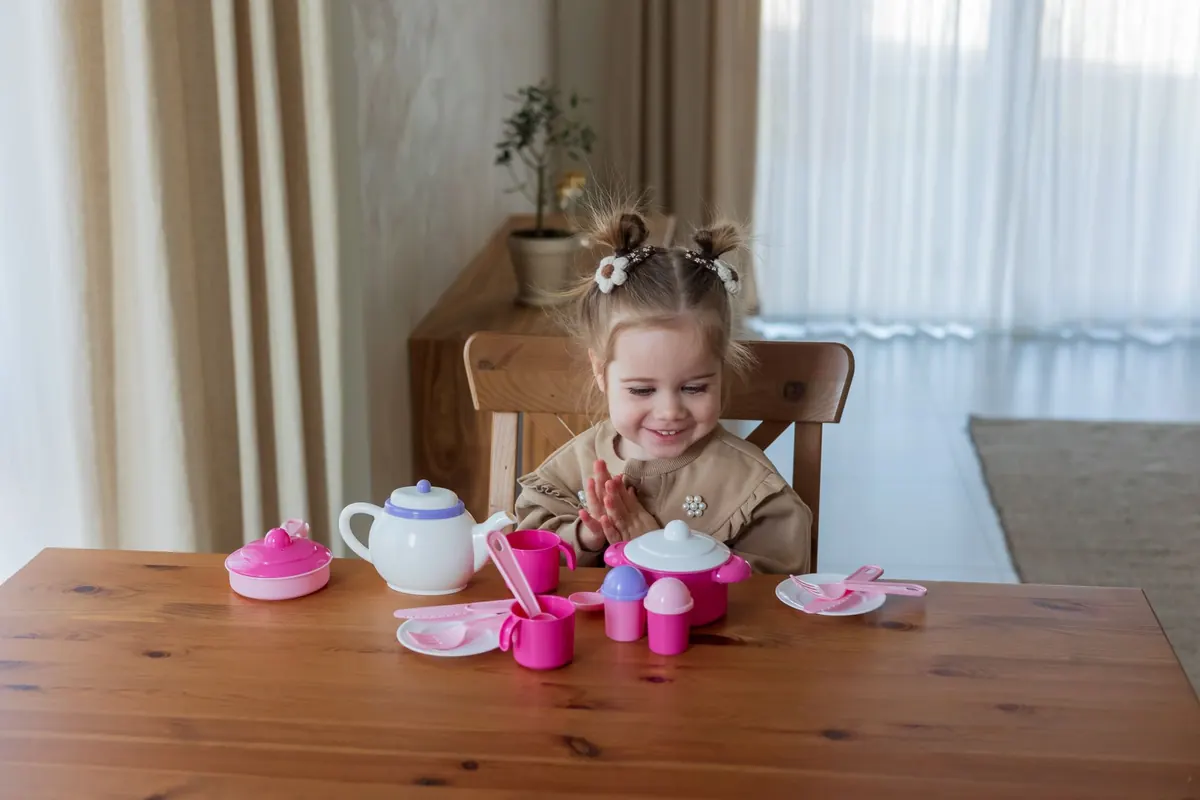
Photo: Polesie Toys / Pexels
Seasonal Tea Blending: How to Mix Your Own Spring, Summer, Fall, and Winter Blends
Build your own spring, summer, fall, and winter tea blends using a simple parts-based formula, seasonal...
8 Common Tea Brewing Mistakes and How to Fix Them
Bitterness, flatness, and watery cups usually trace back to eight fixable habits — water quality,...
About Us