Tea Infusers Compared: Basket, Ball, and Silicone Models
A teapot gets the credit, but the infuser does the work. It decides how much room your leaves have to open, how freely water moves through them, and whether the last sip tastes clean or harsh. Own a few styles and you learn quickly that none of them wins everywhere. The right pick depends on the leaf in front of you — and on how much patience you have at the sink.
What an Infuser Has to Do
Three jobs, and they pull against each other. Hold the leaf in one place. Let water circulate around it. Release the spent leaves without a fight. The tension comes down to space: a vessel roomy enough for a rolled oolong to unfurl has a lot of surface to scrub and a lot of perforations to clog.
Mesh size matters as much as shape. Holes that are too wide let broken leaf into the cup, where it keeps steeping and turns the bottom of your tea bitter. Holes that are too narrow for the tea you drink clog fast and slow the brew down.
Basket Infusers: The Roomy Default
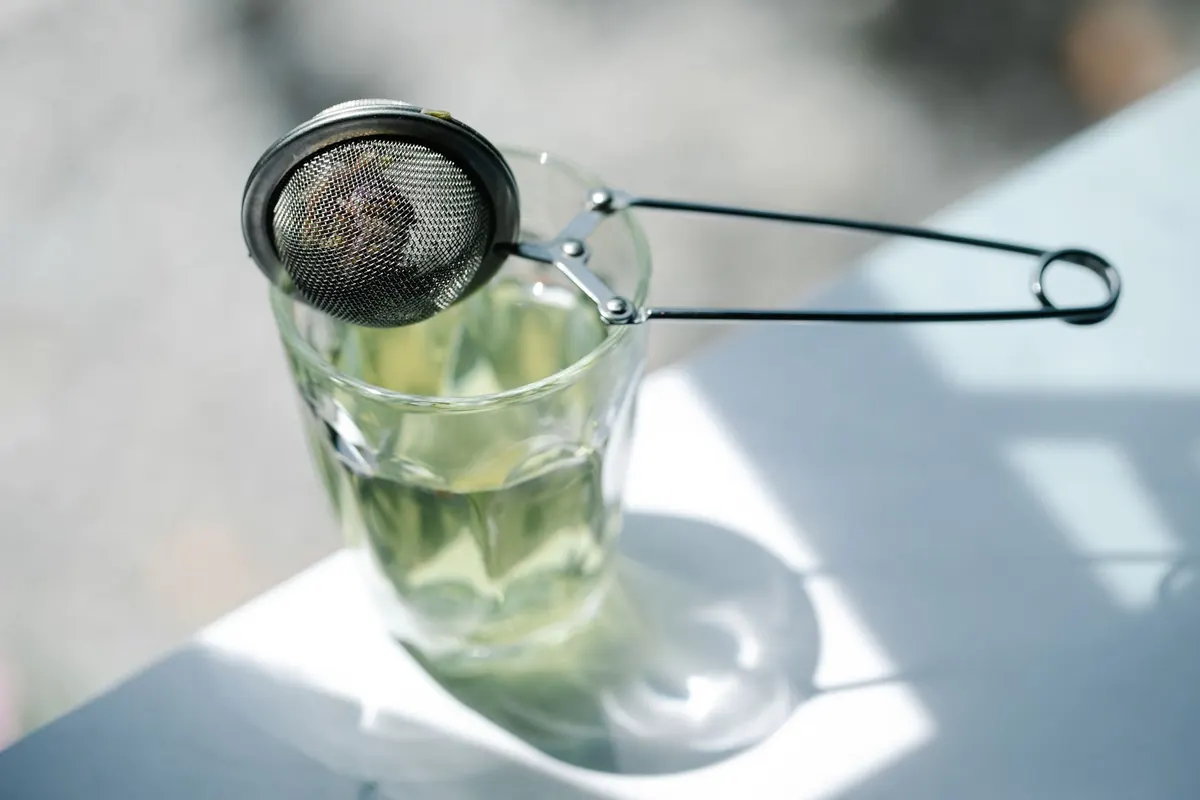
A basket is a perforated cylinder or cone, usually stainless steel, that rests inside a mug or teapot. It is where most loose-leaf drinkers end up, and for good reason: leaves get to move. Drop a strip-style oolong into a basket and the leaves open across the full depth of the mesh, releasing aroma in layers as water passes through. The same tea crammed into a small ball steams instead of steeping.
Baskets also come out in one piece. Lift it, tip the leaves into the bin or compost, rinse, done. A weekly soak in warm water with a spoon of baking soda lifts the brown tannin film that dulls flavor over time.
The trade-offs are volume and fit. A deep basket eats a good third of a standard mug, so you brew less tea than the mug suggests. Check that the rim rests on your cup rather than sliding in, and check the depth against your tallest mug. Choose fine mesh for rooibos, CTC blends, or anything dusty; coarser baskets drain faster but let more particles through.
Two basket shapes worth knowing
The deep cylinder holds the most leaf and suits mugs and tall pots. The shallow cone sits lower, which works in wide, squat cups and in teapots where you want the leaves submerged without crowding the spout. Many teapots come with a full-width basket — effectively a very large basket — and if you are brewing for two or more, use it.
Ball Infusers: Compact and Fussy
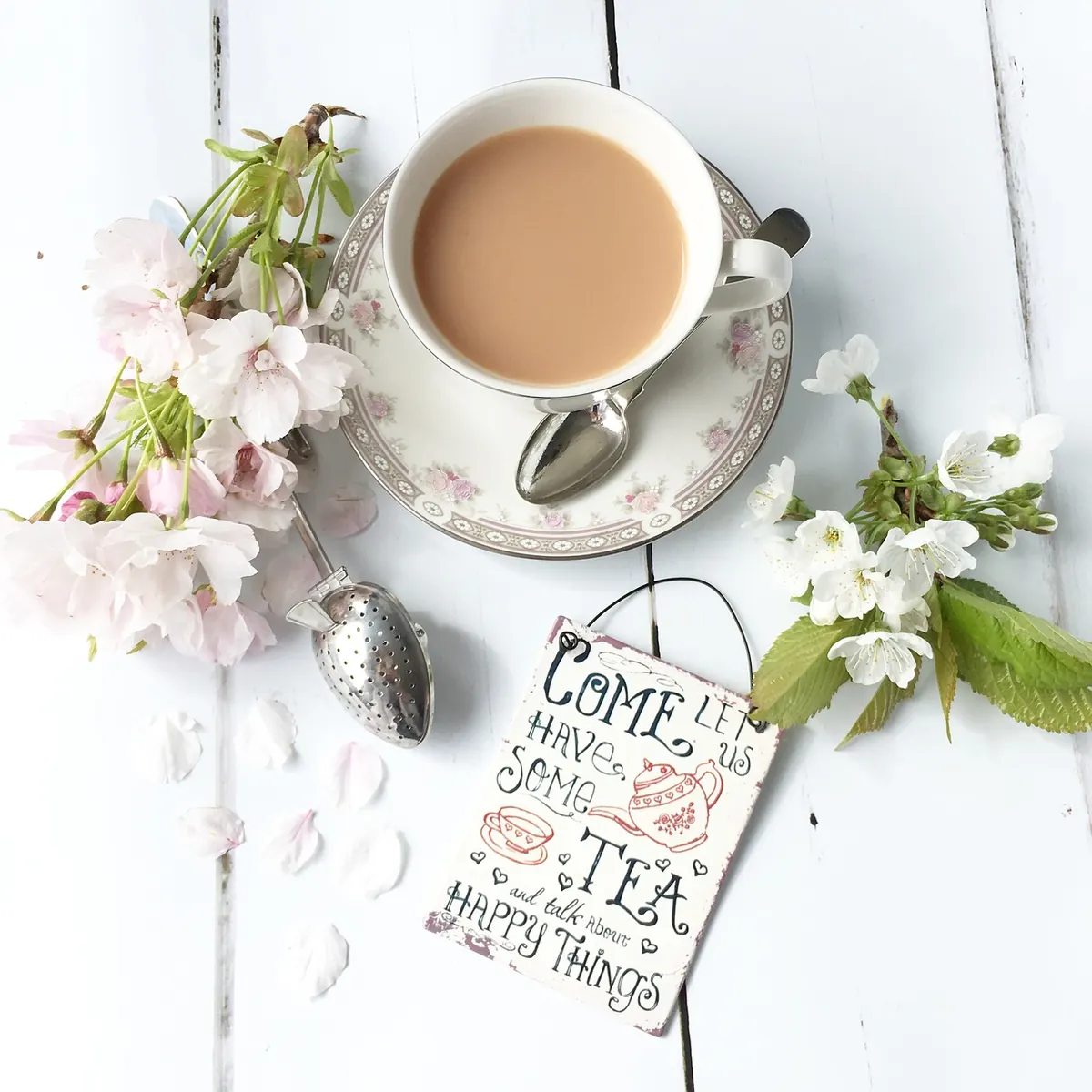
The classic two-hemisphere ball with a clasp is inexpensive, portable, and unforgiving. It drops into any cup and closes with a snap, which makes it the infuser that travels. It is also the one most likely to disappoint, because the design fights the leaf.
Inside a closed ball, leaves have almost nowhere to go. They swell into a dense plug, water creeps through the middle, and the cup ends up either weak or bitter depending on how long you left it. Fill it no more than half full, and save it for teas that do not need room: medium-cut blacks, flavored blends with small pieces, single servings of most broken-leaf teas. Whole-leaf oolongs and long silver needles deserve better.
Watch the hinge, too. Fine particles escape along the seam, and a clasp bent once tends to leak for the rest of its life. Let the ball cool before opening it — the metal gets hot, and a fumbled clasp over a full cup is a familiar morning disaster.
Silicone Infusers: Flexible, With Caveats
Silicone baskets and silicone-lined balls feel friendly in the hand. They don't clink against porcelain, they stay cool enough to handle, and the flexible walls make spent leaves easy to turn out. Many come with a lid that doubles as a drip tray, which is genuinely useful if you brew at a desk.
The catch is the holes. Silicone perforations are typically fewer, wider, and less uniform than woven steel mesh, so fine tea slips straight into the cup. That makes silicone a good match for large-leaf teas, whole herbals like chrysanthemum or rose, and cold brew in a jar — and a poor match for fannings, dust, or anything that clouds the water.
Silicone also holds aroma. A strong jasmine or smoky lapsang lingers in the material long after a rinse and can show up in the next tea you brew. Wash promptly in hot water with a little mild soap, dry it fully, and store it open rather than sealed while damp. If you drink delicate greens and whites, keep a separate silicone infuser for them or stick with steel.
Side by Side
- Basket: most room for expansion, fastest to clean, best for whole-leaf oolongs, large-leaf blacks, and big herbals. Bulky — check the fit first.
- Ball: smallest footprint, best for travel and single cups of medium-cut or flavored tea. Least room, and it leaks fines at the hinge.
- Silicone: gentle on cups and hands, good for large leaves, herbals, and cold brew. Wide holes let fine tea through, and it can retain scent.
Matching the Infuser to the Tea
Whole and strip-style leaves
Oolongs, long-leaf blacks, large whites: basket, every time. If you only own a ball, use less leaf and shorter steeps to compensate.
Broken leaves and dust
CTC, rooibos, the contents of a cut-open tea bag: a fine-mesh basket or a paper filter set inside one. Silicone and loose balls will leave grit in the cup.
Flavored blends and desk cups
A ball is fine here, especially at work, where the whole thing can be filled, sealed, and rinsed without fuss.
Cold brew and travel
Silicone or a large basket lowered into a jar. Cold water infuses slowly, and wide openings keep the brew clear.
A Cleaning Routine That Keeps Flavor Honest
- Tip the leaves out while the infuser is still warm. They release in one clump instead of sticking to the mesh.
- Rinse under hot running water, using a soft brush on the mesh rather than a sponge that will snag on it.
- Once a week, soak steel mesh in warm water with baking soda. For silicone, use hot water and a little mild soap.
- Rinse again, then dry completely upside down before storing. Damp leaves left overnight are what produce that sour smell.
- Keep strongly scented teas to a dedicated infuser if you drink delicate ones alongside them.
How to Decide
If you drink whole-leaf tea at home most days, buy one good fine-mesh basket that fits your favorite mug and stop there. Add a ball for your bag and your desk. Add silicone if you cold brew, brew with children around, or want something that won't rattle inside a thermos. Two infusers, well chosen, cover nearly everything you drink — and the leaves will tell you straight away when you have picked the wrong one.
Photo: Anna Pou / Pexels
Seasonal Tea Blending: How to Mix Your Own Spring, Summer, Fall, and Winter Blends
Build your own spring, summer, fall, and winter tea blends using a simple parts-based formula, seasonal...
8 Common Tea Brewing Mistakes and How to Fix Them
Bitterness, flatness, and watery cups usually trace back to eight fixable habits — water quality,...
About Us