Tea Bags vs. Loose Leaf: A Cost, Flavor, and Convenience Comparison
Two cups of tea, same kitchen, same kettle. One comes from a paper bag dropped into a mug; the other from a spoonful of twisted leaves in a small pot. The difference shows up in the cup, but also in your wallet, your countertop, and your rubbish bin. There is no single winner here — only a trade-off you get to choose. Here is how the two formats actually compare.
What You're Really Paying For
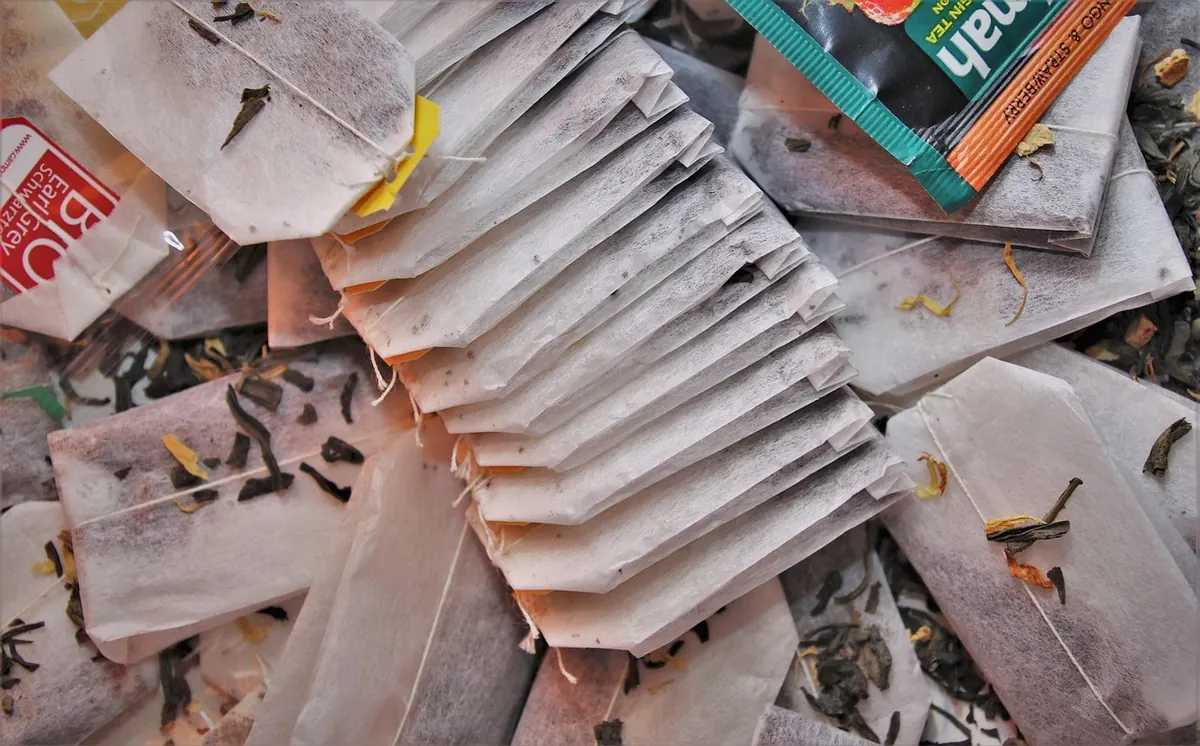
When tea is processed, the leaves get sorted by size. The large, intact leaves are sold as loose leaf. The small fragments — fannings and dust — are what usually ends up in a standard tea bag. They brew fast and dark, and they cost far less, which is why bagged tea is typically cheaper per cup almost anywhere you shop.
Loose leaf costs more per gram, and the reasons are honest ones: careful picking, larger leaves, origin-specific flavor, and packaging that protects the leaf. But the per-cup math isn't as lopsided as the shelf price suggests. Whole leaves can often be steeped two, three, or more times, especially oolongs and larger-leaf blacks. A bag gives you one decent cup and then nothing.
A few things quietly change your real cost per cup:
- Grade and freshness. Stale tea, bagged or loose, is wasted money no matter what you paid.
- Resteeping. If you brew a loose-leaf oolong three times, the gap narrows fast.
- How much you use. A heaping spoonful in a small mug wastes leaf and money. Follow the tin's guidance and adjust.
- Poured-out cups. Tea you abandon because it went bitter is the most expensive tea of all.
Flavor: Surface Area Cuts Both Ways
Small pieces of leaf expose more surface to water, so they release flavor almost immediately. That's convenient, and it's also why a bag left too long turns harsh and tannic. The cup comes out strong but often flat — plenty of color and grip, less aroma and sweetness.
Intact leaves give up their flavor more slowly. You taste layers instead of a single blunt note: the floral edge in a Darjeeling, the roasted depth in an oolong, the softness in a good green. A cramped paper bag also restricts how much the leaf can expand, and paper can mute the aromatics you're paying for. Wider bags and mesh pyramids help, though the leaf inside is usually still small.
One thing worth saying plainly: brewing technique matters more than format. A decent bag steeped at the right temperature for the right time will beat expensive loose leaf dumped into boiling water and forgotten. Green and white teas generally want cooler water than black teas. If your tea tastes bitter, try shorter steeping before blaming the tea.
Convenience: Where Bags Win Clearly
A tea bag is a complete brewing system. No measuring, no strainer, no leaf to fish out, nothing to rinse. It works at a desk, on a train, in a hotel room with a sad little kettle. If your tea habit happens in the five minutes between meetings, that matters more than any tasting note.
Loose leaf asks for a little more: a kettle you can control, a strainer or pot, and a moment of attention. That's the whole cost. It isn't difficult, but it is a step, and steps are what habits are made of. If the extra thirty seconds means you drink three fewer cups a day, the bags are winning in your kitchen whether or not they win on flavor.
A low-effort loose-leaf setup:
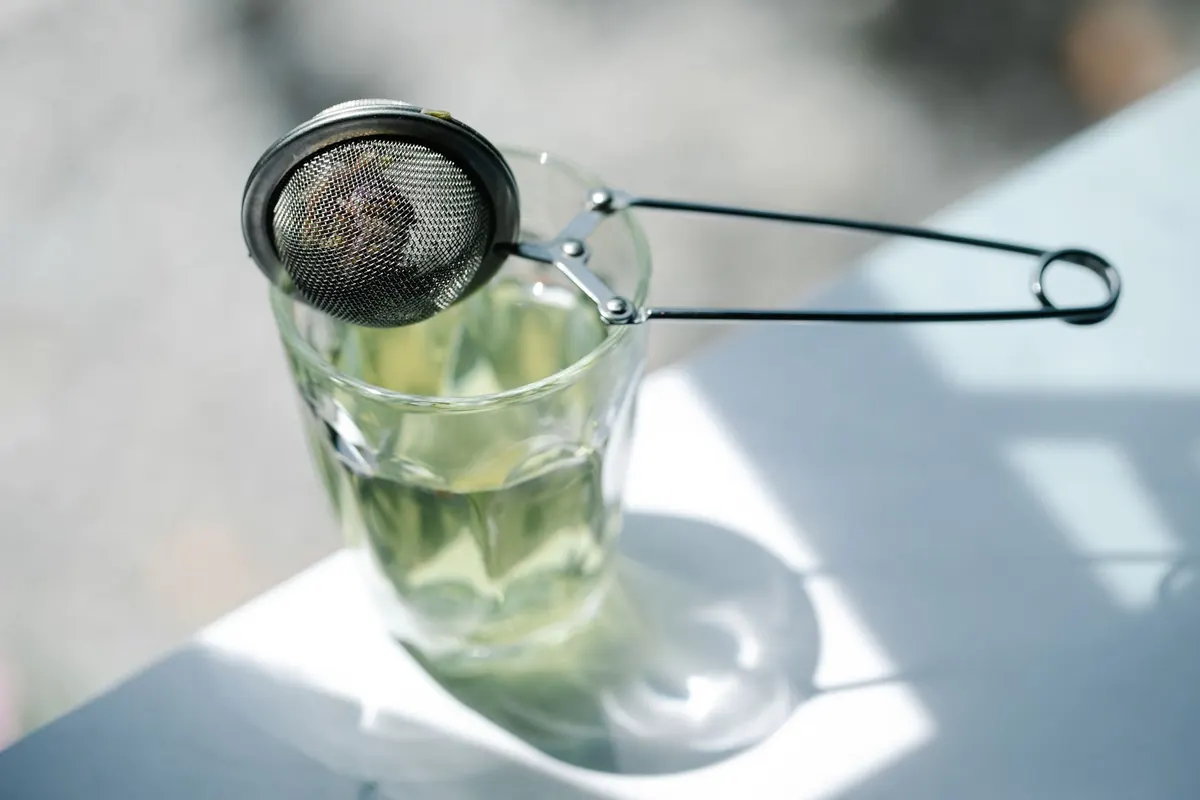
- Buy a basket infuser wide enough to sit in your usual mug without crowding the leaf.
- Keep a small scoop in or beside the tin so measuring takes one motion.
- Set a timer — a phone, a cheap kitchen timer, a three-minute hourglass.
- Rinse the infuser the second you empty it. Ten seconds while it's wet beats scrubbing dried leaf later.
Waste and What Gets Left Behind
Both formats generate waste, and the honest comparison depends on what you buy.
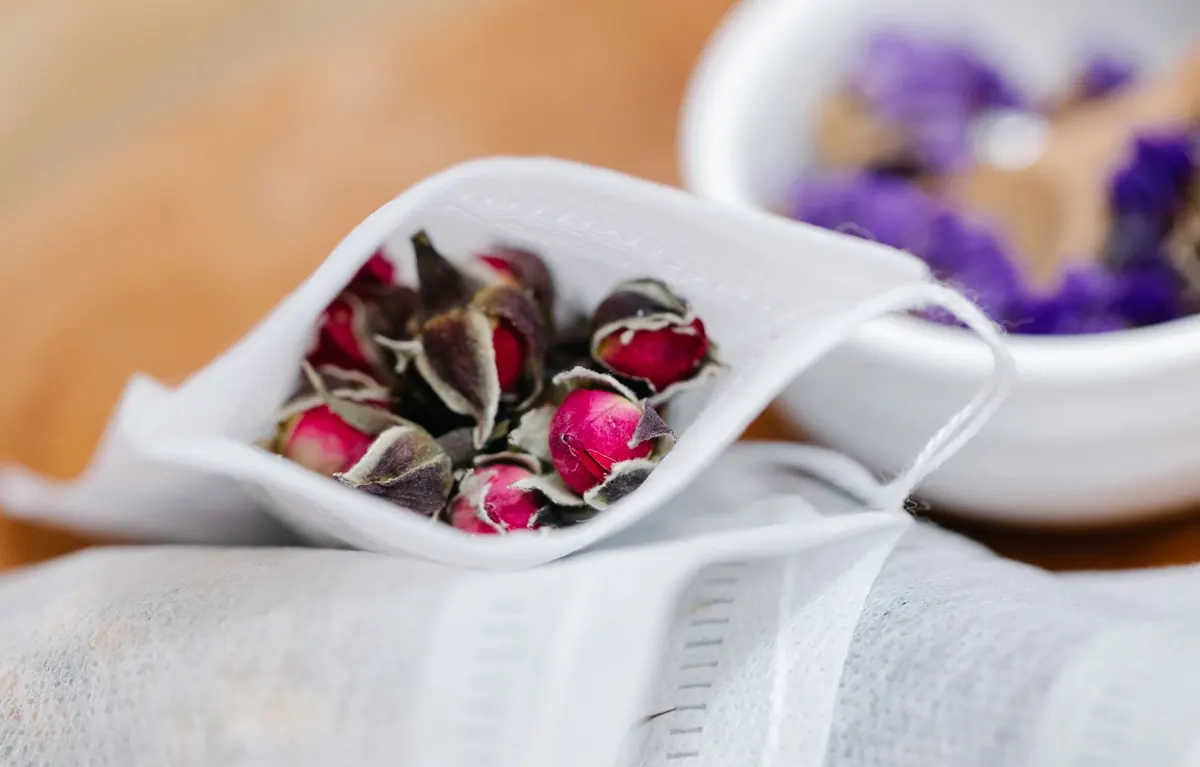
Tea bags come with wrappers, strings, tags, and staples. Many paper bags are compostable, but some are heat-sealed with a thin strip of plastic that won't break down. The smooth "silken" pyramid bags are often made from nylon or a plant-based mesh — better in some ways, not automatically compostable. Loose leaf usually arrives in a tin or a foil pouch, and those pouches are frequently plastic-lined, so the packaging can be the bigger problem even though the leaf itself has none.
On the leaf side, loose tea leaves are simple: once spent, they go into the compost or straight onto the garden. No wrapper, no tag, no seal. If you pour boiling water over the leaf, you've also avoided the question of what the bag was made from.
Labels are marketing; your local rules are the law. If composting is the point, check with your municipal waste service about what they actually accept rather than trusting a "biodegradable" stamp.
Three Habits That Improve Either Format
Store it properly
Tea wants dark, dry, and airtight. A tin in a cupboard beats a clear jar on a sunny counter, and both beat the open box forgotten behind the cereal. Small quantities bought often will taste better than a bulk bag you take a year to finish.
Match water to leaf
Use freshly drawn, freshly boiled water for black and many herbal teas, and let it cool slightly for green and white. A thermometer is nice, but watching the kettle stop rumbling is usually enough.
Taste them side by side
Pick one type of tea — say Darjeeling or a breakfast blend — in both formats, brew them the same day in the same water, and drink them back to back. That single comparison tells you more about your own preferences than any general advice, including this.
So Which Should You Buy?
Most tea drinkers I know end up with both, and there's no shame in it. Keep bags for the desk drawer, the suitcase, and the mornings when you're moving fast. Keep loose leaf for the days you have ten quiet minutes, and for teas where nuance is the entire point — green tea, oolong, first-flush Darjeeling, anything you'd be sad to see flattened by over-steeping.
If you're choosing where to spend more, spend it on the tea you drink daily rather than the occasional treat, and buy the smallest amount that makes sense for how fast you finish it. A modest loose-leaf tea stored well and brewed with a timer will outperform an expensive one treated carelessly.
Start with one change this week: pick a single tea you drink often, buy both versions, and compare. Keep whichever earns its place on the shelf. The rest is just adjusting the timer.
Photo: Anna Pou / Pexels
Seasonal Tea Blending: How to Mix Your Own Spring, Summer, Fall, and Winter Blends
Build your own spring, summer, fall, and winter tea blends using a simple parts-based formula, seasonal...
8 Common Tea Brewing Mistakes and How to Fix Them
Bitterness, flatness, and watery cups usually trace back to eight fixable habits — water quality,...
About Us