The Japanese Tea Ceremony: What First-Time Guests Should Know
The first time you kneel in a tea room, everything feels deliberate. The host folds a cloth with a small snap you can hear across the mats. Water in the iron kettle makes a sound somewhere between wind and a whistle. Then a bowl of bright green tea is set in front of you, and you realise you have no idea which way to turn it. Nobody is testing you. The tea ceremony — chanoyu, the way of tea — looks like a performance and reads like a philosophy, but at its centre sits a host doing small, careful things for a guest. A little preparation turns a nervous hour into a good one.
A Very Short History
Tea reached Japan from China, but the ceremony as it exists today took shape in stages. In the twelfth century the Zen monk Eisai returned from China with tea seeds and a conviction that tea supported long hours of meditation. Matcha — green tea ground to a fine powder and whisked with hot water — came with that practice, and monasteries turned drinking it into a ritual of its own.
By the fifteenth and sixteenth centuries, tea had moved out of the temple and into the world of merchants, warriors and professional tea masters. Murata Jukō is usually credited with shaping the early ceremony; a century later, Sen no Rikyū stripped it back, favouring small thatched huts, plain local bowls and quiet restraint over imported Chinese luxury. Rikyū's descendants founded the schools that still dominate practice today — Omotesenke, Urasenke and Mushakōjiken — and their version of the ceremony is what most visitors encounter. The spirit behind it is often reduced to four principles: harmony, respect, purity and tranquillity.
What Actually Happens
A full formal gathering, called a chaji, includes a meal and can run four hours. Most first invitations are to a chakai, a shorter gathering of roughly half an hour to an hour, often held to mark a season or show a particular bowl. That is the version described here.
You wait in a small anteroom or garden before being invited in. If there is a stone basin, you rinse your hands and mouth — a symbolic cleaning before entering. The tea room is small by design, and the doorway may be low enough that you have to duck, which forces a bow on the way in.
Inside, the decoration is deliberately sparse: a hanging scroll, a single flower, perhaps one object in the alcove. You take your place on the tatami and, once everyone is settled, sweets arrive first. These are eaten from a piece of folded paper called kaishi using a small pick. The sweet matters — it balances the bitterness of what follows.
Then the host cleans each utensil in view of the guests, scoops tea into the bowl, adds hot water and whisks it into a foam. The bowl goes to the principal guest, who drinks and returns it; the host makes a fresh bowl for the next person. A formal gathering includes koicha, a thick tea shared from a single bowl, followed by usucha, a thinner tea served individually. At the end, guests often examine the bowl up close, turning it in their hands and looking at the base and the maker's mark.
Etiquette You'll Actually Use
- Bow when you enter, when you leave, and when the bowl reaches you.
- Keep off the cloth borders, the heri, that edge every tatami mat. They are boundaries, not a path.
- Sit in seiza — kneeling, sitting back on your heels — if you can. If your knees or back won't allow it, sit cross-legged or ask in advance about the seated style.
- Hold the bowl with your left palm supporting it and your right hand steadying the side.
- Turn the bowl clockwise a quarter or half turn before drinking, so its decorated front — the side facing the host — never touches your lips.
- Take a few sips. A soft slurp on the final sip is traditional in many schools and signals that you have finished.
- Wipe the rim with your fingers, then wipe your fingers on your kaishi paper.
Things not to do
- Don't wear strong perfume or scented lotion. The room is small, and incense is part of the design.
- Don't touch the whisk, the scoop or the tea container; only the host handles those.
- Don't step over the utensils or reach across them.
- Don't let rings, a bracelet or a buzzing phone scrape or interrupt the moment.
- Don't rush your bowl to be polite. Drinking quickly can read as indifference.
Getting Ready a Day Before
Wear something loose and long enough to cover your thighs when you kneel — a mid-length skirt, soft trousers. Avoid tight jeans, very short hems and heavy jewellery. Bring clean socks; you will almost certainly be on tatami, and bare feet on the mats feel awkward for everyone.
Arrive about ten minutes early and turn your phone off, not merely to silent. If you are invited to a formal gathering, you may be asked to bring a folding fan and a small packet of paper — the host will normally explain this with the invitation, so ask rather than guess. And if sitting on the floor for an hour is a problem, say so beforehand: the seated style, ryūrei, uses tables and chairs and is offered by many teachers and tea rooms.
The Guest's Half of the Ceremony
A common phrase in tea is ichigo ichie — one time, one meeting. This gathering, with these people, in this season, will never happen again, so host and guest both give it their full attention. The guest is not an audience; the host's care only makes sense if someone receives it.
You are not expected to know anything in advance. If you are unsure, watch the guest beside you, follow the host's cues, and ask afterwards rather than mid-bowl. When the tea is finished, the host may invite you to look at the bowl — that is your cue to pick it up, admire it and set it down gently. Questions about the utensils, the sweets or the flower are welcome after the final bow. A clear, unhurried thank you is enough.
Before You Go: A Short Checklist
Confirm the time and place in advance, mention any knee or back trouble, and ask whether you are attending a short chakai or a longer gathering with a meal. Dress in loose, quiet colours. Leave your watch, rings and phone tucked away. Bring nothing into the room except your paper and fan if asked. Then plan on a calm few minutes afterwards, because the point of the ceremony tends to arrive slightly late — on the walk home.
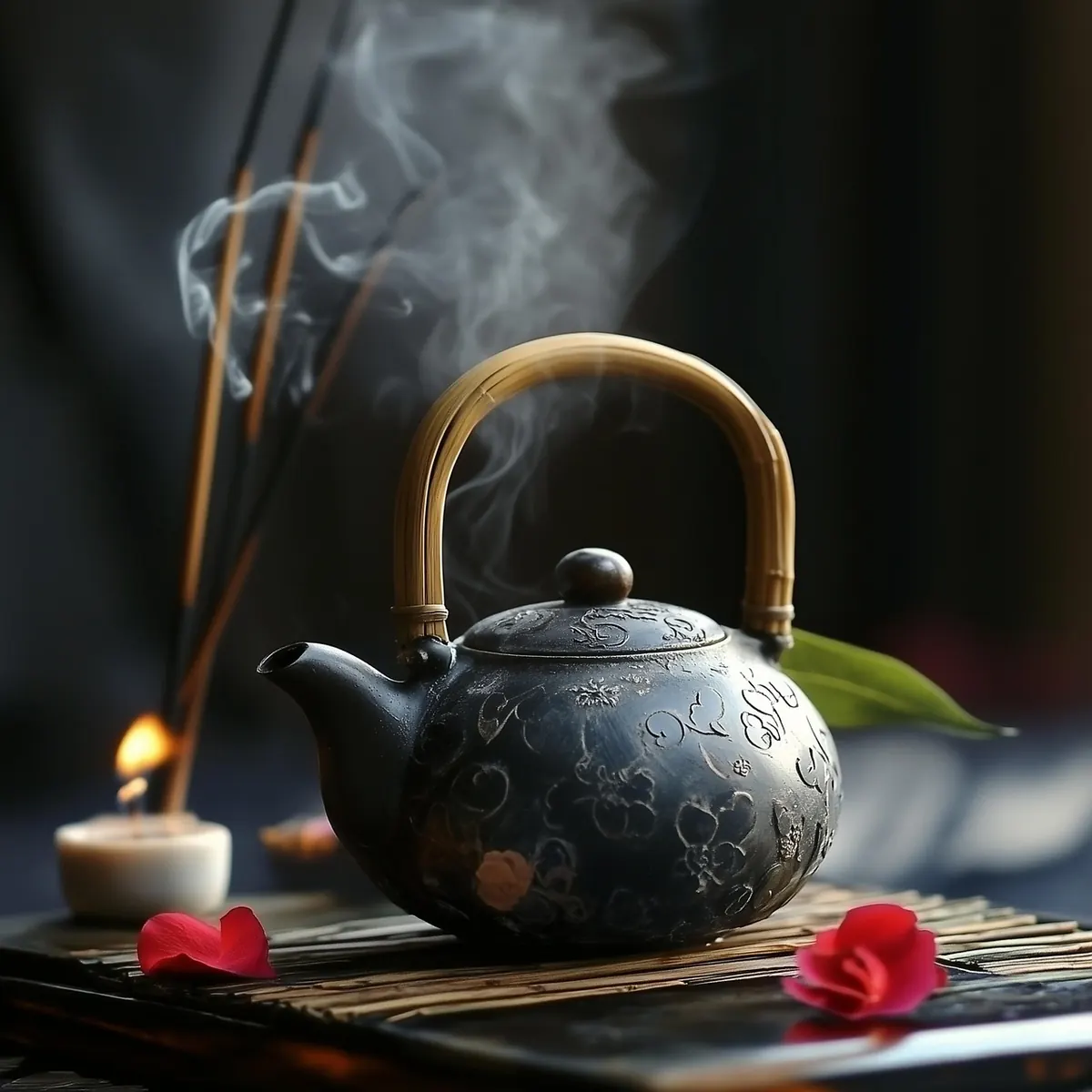
Photo: UltraWorldJY / Pixabay
Seasonal Tea Blending: How to Mix Your Own Spring, Summer, Fall, and Winter Blends
Build your own spring, summer, fall, and winter tea blends using a simple parts-based formula, seasonal...
8 Common Tea Brewing Mistakes and How to Fix Them
Bitterness, flatness, and watery cups usually trace back to eight fixable habits — water quality,...
About Us